
Why connection powers high performing teams (and how you can build it)
- Rich Roberts

- Jan 2
- 4 min read

We’ve all seen them. Some teams just work better together, achieve more and are nicer to be around. And it’s not necessarily about having the best talent. There is something bigger than the team itself and that’s a feeling of connection - to each other and to the organisation.
If you don’t think this is as important as I do - consider the other side of the coin. Those organisations where, no matter how hard you tried, you just didn’t fit in. Maybe you felt like an outsider, and it’s probably because deep down, you didn’t feel like you really belonged.
That’s why this article is all about why connection and belonging make such a difference - for retention, engagement and a sense of wellbeing. And guess what? Your customers will notice too. So, there’s a powerful business case in getting this right.
And don’t just take my word for it. Research by Gallup and the Gartner Group shows that when employees feel connected - to their teams, their roles, and the organisation, they’re more engaged, productive and loyal.
Connection - it’s a human need
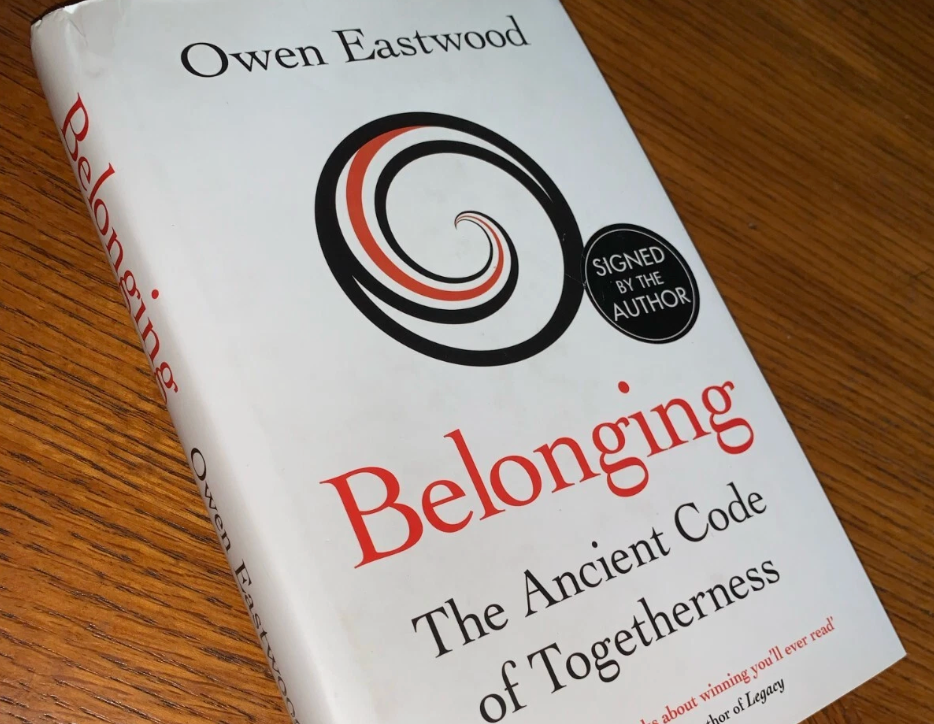
When you get this right in the workplace, you are doing more than improving your culture or being thought of as a great place to work - you are meeting a human need. I recently read Owen Eastwoods’s book ‘Belonging’. He identifies the need to feel seen, valued and connected. Eastwood argues that us humans are wired for connection. From evolutionary survival to modern team dynamics, belonging is not a ‘soft’ concept, it's central to trust, wellbeing, and high performance.
Lessons from sport
Remember what I said about not necessarily having the best talent? We see this in sport. Why is it that one squad of players will consistently perform better than other teams with more ‘star’ players and bigger budgets? And why can a different coach get such an improved performance from the same set of players? Often, it’s because the coach can create a stronger sense of connection - to the club and each other.
Owen Eastwood has worked with the All Blacks, the England football team, military units, as well as major employers. And no matter the setting, the pattern is clear. It’s the ones who are united by a common purpose; they feel the identity of the club and see their role within it. And just as easily, you can see an underperforming £100 million player who just doesn’t belong - and it shows.
Tips to build connection
Psychological safety matters: One of the reasons for the success Gareth Southgate found with the men’s England football team is because he actually wanted to know what his players thought. When people feel safe to speak, make mistakes, and show vulnerability, trust grows leading to greater collaboration and innovation. OK, he didn’t win the World Cup, but he came closer than anyone in 60 long years.
Nurture belonging: You have to work at this. Connection and belonging aren’t automatic because you put teams together in the same space. You need to make the time to get to know each other, share stories, create experiences that connect the group and have those honest conversations. All of this isn’t some kind of fluffy downtime - it’s core to getting this right but this can be even more difficult and challenging with hybrid and virtual working.
Work through this checklist: I’m a fan of keeping all of this simple. That’s why I like this model from research I’ve read from Thomas Connect. They have developed six key connection factors grounded in psychology and workplace research that predict whether your people are thriving or disconnecting.
• Appreciation – Does your team feel valued?’
• Belonging – Does your team feel included?
• Cohesion – Are team relationships strong?
• Contribution – Does your team feel recognised and know how they add value?
• Trust – Does your team feel safe to speak up and be themselves?’
• Wellbeing – Does your team feel supported and cared for?’
So, ask yourself if your organisation, or you as a line manager, are delivering on these six connection pillars to support and get the best from people? And if not, what will you do about it to foster better connection and people contribution at both a systems and day to day level?
John N. Cooper Chief Connection Officer at Thomas Connect and Chair of the Thomas Science and Innovation board is super focused on the value and importance of human connection at work.

As he explains, “I see connection as the real currency to drive engagement and productivity for organisations in tomorrows tech and AI enabled world. Connection unlocks human potential and drives collective achievement; The cost of disconnection is high both personally and organisationally."
For more info see Connection Measure | Thomas.co
In conclusion
When we feel like we belong, we are more likely to speak up with ideas, support each other, push through those challenges and that creates a more resilient team or workplace. In my experience this means they want to stay, they engage, and they perform. And that’s good for everyone.
About Rich Roberts
I’m Rich Roberts, people and culture specialist, HR coach, and Top 100 global employee engagement influencer. I help organisations build cultures that attract, retain, and engage employees to perform at their best.
Please contact me if you want to chat through a people or culture issue within your organisation.
Team photo by Samrat Khadka on Unsplash


Comments